
Public judgments record the confinement, continuing abuse, death, and later changes to criminal responsibility through retrial.
FUJIAN · PUTIAN · HISTORICAL CASE
Fujian Putian Qiqi Case
Waiting for Her Mother at the Village Gate
Before she was twelve, she waited for one person;
after twelve, those left behind waited for an answer.
“Qiqi” is the pseudonym used in public reporting. According to her mother’s retelling of what local residents said, she had sat at the village gate wanting to find her mother; this is not a court finding. Her life should not be reduced to cruel detail. Following four thresholds—the village gate, the school gate, a closed door, and the courtroom—this feature sets out what can be verified and asks why protection did not arrive sooner.
COMBINED FOUR-LANGUAGE VIEWS…views
Unroll the story
BEFORE READING
Put the child back at the centre of the story
This article retains only the information needed to understand criminal responsibility and the failures of protection. It shows no images of injury, reenacts no violence, and does not repeat methods of harm that could be imitated. If this is not the right moment for you to engage with child abuse, you may step away. That is not the same as forgetting the child.
Court finding ≠ media inferenceFamily account ≠ fact established in courtPoetic fiction ≠ witness testimony
THREE-MINUTE BRIEF
Understand the case in three minutes
Separate court findings, family accounts, and unanswered institutional questions before entering the five-act drama and full documentary record.
The account reveals a child’s longing, but it was not established as fact by the court.
Public material does not fully show how leaving school, repeatedly leaving home, and police reports were assessed across systems.
When repeated abnormalities appear, how can systems see the whole risk instead of merely closing one encounter at a time?
Source-type guide
Court / judicial recordFamily or resident accountEditorial analysis and institutional questions
CASE MAP
Case guide | From waiting to the questions the system leaves behind
An original five-act verse drama is interwoven with the documentary record. Its romance and sorrow belong to two symbolic adult narrators. Qiqi and the people connected to the case are neither portrayed nor placed inside a love story.

ACT I · SPRING RETURNS
Act I · Spring Returns
The flowers still keep their appointment; the one who waits hears no reply.
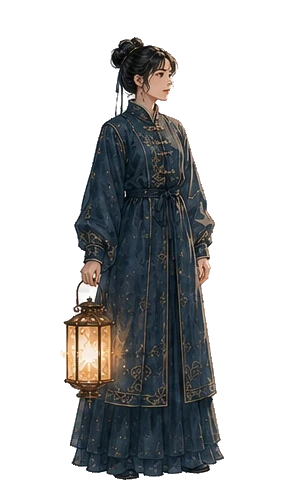
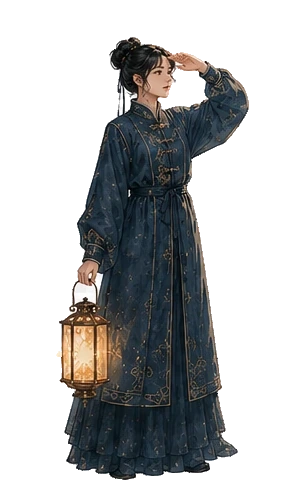
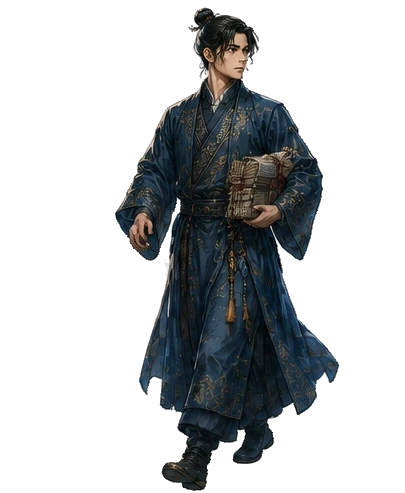
Woman · Keeper of the GateWildflowers once again mistake the spring wind for an old friend, blooming one by one to meet it along the village road. Yet why is the person that child awaits always at the far end of the road?
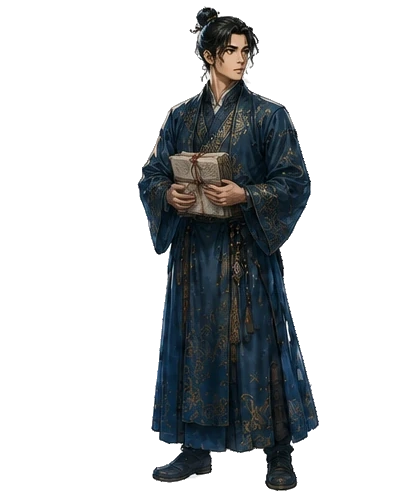
Man · Keeper of the RecordFrom the courtroom I have brought back a scroll of spring, long overdue. Guilt and sentence are written upon it, but not one page can return the embrace that never came.
Woman · Keeper of the GateThen do not say you have brought an answer. Spring water can mirror a figure, but not the number of dusks a child spent waiting.
Man · Keeper of the RecordI dare only lay the case file at the gate and ask every passer-by to stop: if waiting itself has become a cry for help, who should hear it first?
This act is ready
Read the full Act I dialogue
Woman: Wildflowers once again mistake the spring wind for an old friend, blooming one by one to meet it along the village road. Yet why is the person that child awaits always at the far end of the road?
Man: From the courtroom I have brought back a scroll of spring, long overdue. Guilt and sentence are written upon it, but not one page can return the embrace that never came.
Woman: Then do not say you have brought an answer. Spring water can mirror a figure, but not the number of dusks a child spent waiting.
Man: I dare only lay the case file at the gate and ask every passer-by to stop: if waiting itself has become a cry for help, who should hear it first?
The story of her waiting for her mother comes from family and residents
“Qiqi” is the pseudonym used in public reports. Her biological mother, Ms Bai, said that she learned of her daughter’s death only when the court notified her. She later heard from local residents that Qiqi often sat at the village gate and said she wanted to find her mother.
Family / resident account
“Sitting at the village gate and waiting” is not a fact established by the judgment. It is retained here because the account lets us glimpse a child’s longing, while its place in the evidence is stated plainly.
EDITORIAL QUESTION
When guardianship changes, a parent and child remain out of contact, or a child repeatedly runs away, who is responsible for confirming that she is safe rather than treating her simply as “disobedient”?
ACT II · THE ENCOUNTER
Act II · The Encounter
A true encounter is not merely seeing; it is recognising that the anomaly before us is trying to speak.
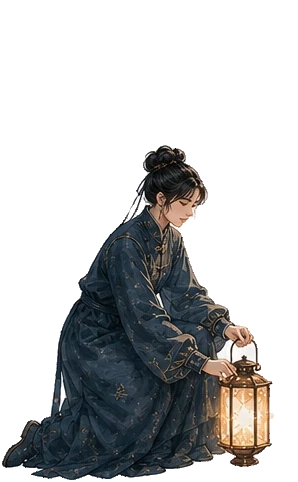
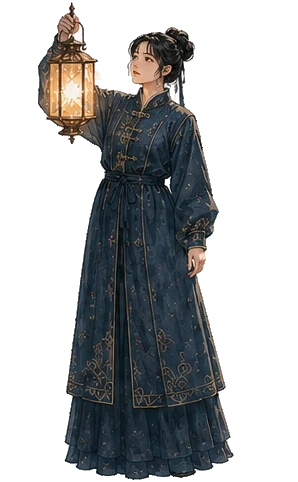

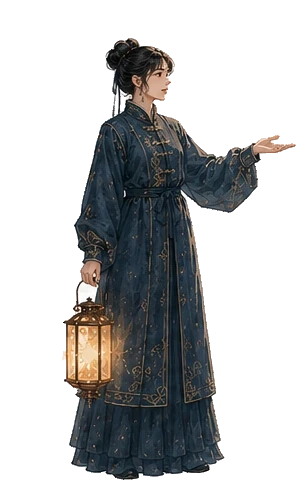
Man · Keeper of the RecordMy lady, the rain falls so thickly—why do you still keep vigil over an empty schoolbag? It bears no name, yet seems to hold ten thousand unfinished sentences.
Woman · Keeper of the GateBecause when the school gate closes, the world must not close with it. One absence leaves an empty place; repeated absence may be a letter written without words.
Man · Keeper of the RecordI find myself in love with the stubbornness of your gaze—it denies every passer-by the pretence that they merely happened past.
Woman · Keeper of the GateThen do not love my sorrow. Love the door that may yet be opened. Speak the rest of the cry for help on behalf of the silent child.
This act is ready
Read the full Act II dialogue
Man: My lady, the rain falls so thickly—why do you still keep vigil over an empty schoolbag? It bears no name, yet seems to hold ten thousand unfinished sentences.
Woman: Because when the school gate closes, the world must not close with it. One absence leaves an empty place; repeated absence may be a letter written without words.
Man: I find myself in love with the stubbornness of your gaze—it denies every passer-by the pretence that they merely happened past.
Woman: Then do not love my sorrow. Love the door that may yet be opened. Speak the rest of the cry for help on behalf of the silent child.
Leaving school, running away, and repeated police reports should not remain isolated records
CCTV.com cited material from the first-instance judgment: in September 2023, a “voluntary withdrawal certificate” recorded Qiqi’s departure from school. Public-security records also showed that, since July 2020, the family had contacted police multiple times for reasons including Qiqi leaving home. These records establish that public systems encountered the situation, but the public record is not sufficient to reconstruct how each contact was handled.
A school-withdrawal document appeared. Public information does not fully explain her safety or access to education after she left.
Police were contacted repeatedly for reasons including her leaving home. Recurring warning signs should be assessed together.
Available public documents do not fully answer how education, police, community, and child-welfare systems connected their work.
Editorial analysis
Having contact with a case is not the same as seeing the whole picture; completing a single response does not mean the danger has ended. This is a direction for institutional review, not a finding of responsibility against any particular worker.
ACT III · SEVENTEEN MARKS
Act III · Seventeen Marks
The wall holds no image of harm—only the marks of one unopened day after another.
Woman · Keeper of the GateWhy do you score the wall beneath the moon? One, two, three… With every mark, the night grows heavier.
Man · Keeper of the RecordI am not counting suffering. I fear the world will remember only “seventeen days” and forget that every day held another chance to open the door.
Woman · Keeper of the GateThen lay down your pen. If your marks do nothing but horrify, they make the child disappear into the crowd once more.
Man · Keeper of the RecordI will break the pen and leave only a door. May those who come after us never count the days, but push it open at the first sign of danger.
This act is ready
Read the full Act III dialogue
Woman: Why do you score the wall beneath the moon? One, two, three… With every mark, the night grows heavier.
Man: I am not counting suffering. I fear the world will remember only “seventeen days” and forget that every day held another chance to open the door.
Woman: Then lay down your pen. If your marks do nothing but horrify, they make the child disappear into the crowd once more.
Man: I will break the pen and leave only a door. May those who come after us never count the days, but push it open at the first sign of danger.
The court found that this was not a single loss of control, but sustained harm and acquiescence
At first instance, the Putian Intermediate People’s Court found that the stepmother had subjected three minor family members to long-term abuse. Even after Qiqi had been restrained and confined in a bathroom for seventeen days and had become extremely weak, the harm continued and ultimately caused her death. The forensic finding identified acute circulatory failure caused by multiple factors on a foundation of malnutrition.
Court finding
This page provides only the necessary, non-graphic summary. The public judgments and court notices remain the authoritative sources for the full findings of criminal responsibility.
The father’s criminal responsibility went beyond “failing to stop it”
The first-instance court found that the biological father knew about the long-term abuse but did not stop it, provided items used in and expressed support for the abuse, and had also harmed Qiqi himself when instructed to do so. Within the scope of their joint intent to cause injury, he bore corresponding criminal responsibility for the resulting death. The second-instance court later stated more expressly that, as her legal guardian, he failed in his duty of care, participated in the harm, and condoned and allowed it to continue; the original sentence was “manifestly too lenient.”
KnewMessages and photographs showed awarenessTook partThe court found that he personally inflicted harmSupportedHe supported and tacitly accepted continuing abuseFailed to protectHe did not fulfil his legal duties as guardian
Cleaning afterward could not wash away the facts
The judgment materials also recorded actions after the incident, including changing clothing, cleaning the scene, deleting surveillance footage, and asking others to support a story that Qiqi had “fallen.” These details help explain the court’s assessment of culpability and evidence; this page does not reenact those events.

INTERLUDE · THE EMPTY SEATShe appeared in a school-withdrawal certificate, police records, and a judgment. Real protection means someone draws near while the child is still sitting beside that empty chair.
ACT IV · THE LATE JUDGMENT
Act IV · The Late Judgment
A gavel can correct a sentence, but it will always arrive after the moment when a child needed protection.
Man · Keeper of the RecordI bring thirteen years and six months, and a heavy vermilion seal. The world says the scales have at last returned to balance.
Woman · Keeper of the GateBalance? A lifetime once lay on the other pan. Heap every term of imprisonment upon it, and still you cannot let twelve grow into thirteen.
Man · Keeper of the RecordThen what can I offer you? Honour is useless, the judgment too late; even my most solemn silence feels like flight.
Woman · Keeper of the GateOffer your gaze. Let it refuse to turn away before another child is trapped. That is the light a judgment may yet leave behind.
Man · Keeper of the RecordThe last page has been sealed: Xu Jinhua’s death sentence was approved and carried out; Liu Jiang was resentenced on retrial to thirteen years and six months. Both perpetrators were finally brought to justice, but no judgment can return the years stolen from her.
Woman · Keeper of the GateDo not write “justice served” as a cheering full stop. Write it as a vow: every justice that arrives late must urge open an earlier door for the next child.
This act is ready
Read the full Act IV dialogue
Man: I bring thirteen years and six months, and a heavy vermilion seal. The world says the scales have at last returned to balance.
Woman: Balance? A lifetime once lay on the other pan. Heap every term of imprisonment upon it, and still you cannot let twelve grow into thirteen.
Man: Then what can I offer you? Honour is useless, the judgment too late; even my most solemn silence feels like flight.
Woman: Offer your gaze. Let it refuse to turn away before another child is trapped. That is the light a judgment may yet leave behind.
Man: The last page has been sealed: Xu Jinhua’s death sentence was approved and carried out; Liu Jiang was resentenced on retrial to thirteen years and six months. Both perpetrators were finally brought to justice, but no judgment can return the years stolen from her.
Woman: Do not write “justice served” as a cheering full stop. Write it as a vow: every justice that arrives late must urge open an earlier door for the next child.
From five years and six months to thirteen years and six months on retrial
Emergency personnel noticed signs that something was wrong and notified police. The two defendants were arrested in turn.
Xu Jinhua was convicted of intentional homicide and abuse and received a combined sentence of death. Liu Jiang was convicted of intentional injury and abuse and received a combined prison term of five years and six months.
The appeals were dismissed and the original judgment upheld. The court found Liu Jiang’s sentence for intentional injury manifestly too lenient, but the prohibition against increasing punishment on appeal required a separate adjudication-supervision procedure.
The sentence for intentional injury was changed to thirteen years; the one-year sentence for abuse was left in place. The combined sentence became thirteen years and six months in prison, with deprivation of political rights for two years.
The Supreme People’s Court approved the death sentence imposed on Xu Jinhua; the Putian court carried it out in accordance with law.
Judicial procedure
The second-instance court did not simply “know the sentence was too light and do nothing.” Bound by the prohibition against increasing punishment on appeal, it upheld the original judgment and then pursued resentencing through an adjudication-supervision retrial. That distinction is essential to understanding the judicial path of this case.
ACT V · LEAVE A LIGHT
Act V · Leave a Light for Every Child
Let romance cease to praise the long wait, and become instead a promise to abandon no child.
Woman · Keeper of the GateDawn is near. Is the lamp in your hand for the one who is gone, or for those still in the dark?
Man · Keeper of the RecordIf it lights only remembrance, it is too late. If it shines toward school gates, clinics, police stations, and every tightly closed door at home, then it may be worthy of the name “light.”
Woman · Keeper of the GateThen come with me. Promise me no eternity—only that someone will turn back at every warning sign, and every report will lead to a next step.
Together · Leave a LightMay waiting no longer be a child’s fate. May protection arrive before the first door closes.
Man · Keeper of the RecordI understand now. A true enduring lamp lights not only her name, but every child still behind a door, unable yet to name the danger or call for help.
Together · First LightMay she be more than a line in a judgment. May the years she never had become our courage not to turn away. From this dawn on, may every light be answered by a hand.
This act is ready
Read the full Act V dialogue
Woman: Dawn is near. Is the lamp in your hand for the one who is gone, or for those still in the dark?
Man: If it lights only remembrance, it is too late. If it shines toward school gates, clinics, police stations, and every tightly closed door at home, then it may be worthy of the name “light.”
Woman: Then come with me. Promise me no eternity—only that someone will turn back at every warning sign, and every report will lead to a next step.
Together: May waiting no longer be a child’s fate. May protection arrive before the first door closes.
Man: I understand now. A true enduring lamp lights not only her name, but every child still behind a door, unable yet to name the danger or call for help.
Together: May she be more than a line in a judgment. May the years she never had become our courage not to turn away. From this dawn on, may every light be answered by a hand.
Real remembrance joins scattered warning signs into a path to protection
Criminal punishment answers who should bear criminal responsibility, but it cannot replace a child-death review. The institutional questions left by the Qiqi case lie in the gaps between long-term loss of contact, repeated departures from home and police reports, withdrawal from school, a closed caregiving environment, and fragments of information held separately by multiple systems.
After a minor leaves school, education and child-welfare systems should confirm education, residence, and personal safety—not merely complete a form.
When running away, injury, hunger, fear, or frequent police calls recur, the case should be escalated to a cross-agency risk assessment.
A referral does not mean the child is safe. There must be a responsible person, a deadline, and an auditable follow-up check.
Reconstruct each system’s contact points using de-identified information—not to hunt for scapegoats, but to find where earlier intervention may be possible next time.
Institutional analysis / advocacy
These reforms are proposed by this feature on the basis of public information. They do not mean that a court has found a school, police service, community body, or other agency derelict in its duties.
WHEN A CHILD MAY BE IN DANGER
When warning signs recur, do not carry the final judgment alone
If a child is in immediate danger, contact local emergency services or police. If the danger is not occurring at this moment, you can still make a specific record with local child-welfare, education, or social-service authorities. Note the date, what you witnessed yourself, and the actions already taken. Do not ask the child to repeat their account again and again, and do not confront a suspected abuser yourself.
Return to our protection actionsSOURCES & EDITORIAL NOTES
Sources and editorial boundaries
Judicial outcomes are drawn first from court announcements and authoritative republications. Passages about Qiqi’s life clearly distinguish judgment material from family and resident accounts.
Judgment material / media account · 14 September 2025CCTV.com | First-instance judgment, seventeen-day confinement, and the father’s participationUsed for the first-instance charges and sentences, forensic summary, evidence handling, and findings concerning the guardian’s knowledge and participation.
Fujian High People’s Court release / CCTV.com · 11 November 2025Original judgment upheld on appeal; adjudication-supervision procedure initiatedUsed for the prohibition against increasing punishment on appeal, the finding that the original sentence was manifestly too lenient, and the route to retrial.
Fujian High People’s Court release / China News Service · 20 January 2026Resentencing on retrial and approval and execution of the death sentenceUsed for Liu Jiang’s thirteen-year-six-month term, deprivation of political rights, and the date Xu Jinhua’s death sentence was carried out.
Family / resident account · 16 September 2025Shangguan News | Her biological mother’s account of Qiqi waiting during her lifetimeUsed only for the village-gate passage; it is not presented as a court finding.
Naming: “Qiqi” is a pseudonym. This page neither seeks nor publishes her real name.
Verse drama: The “Keeper of the Gate” and “Keeper of the Record” are symbolic adult figures. They are not Qiqi, a relative, a defendant, a witness, or a judicial worker. Every line is original fiction written for this site, not testimony.
Imagery: Fujian settlements, an empty schoolbag, doors, case files, seventeen abstract marks, and lamplight symbolise the events without visualising harm.
Region: Regional categories on this site are used only to help readers find content. They do not express a position on politics, sovereignty, or legal status.
EPILOGUE · LEAVE THE LIGHT ON
She should never have had to keep waiting.
Flowers will still open at the village gate; the sea wind will still cross the red-brick roofs. May what we remember be not how the harm occurred, but which pair of hands can open the door sooner next time.