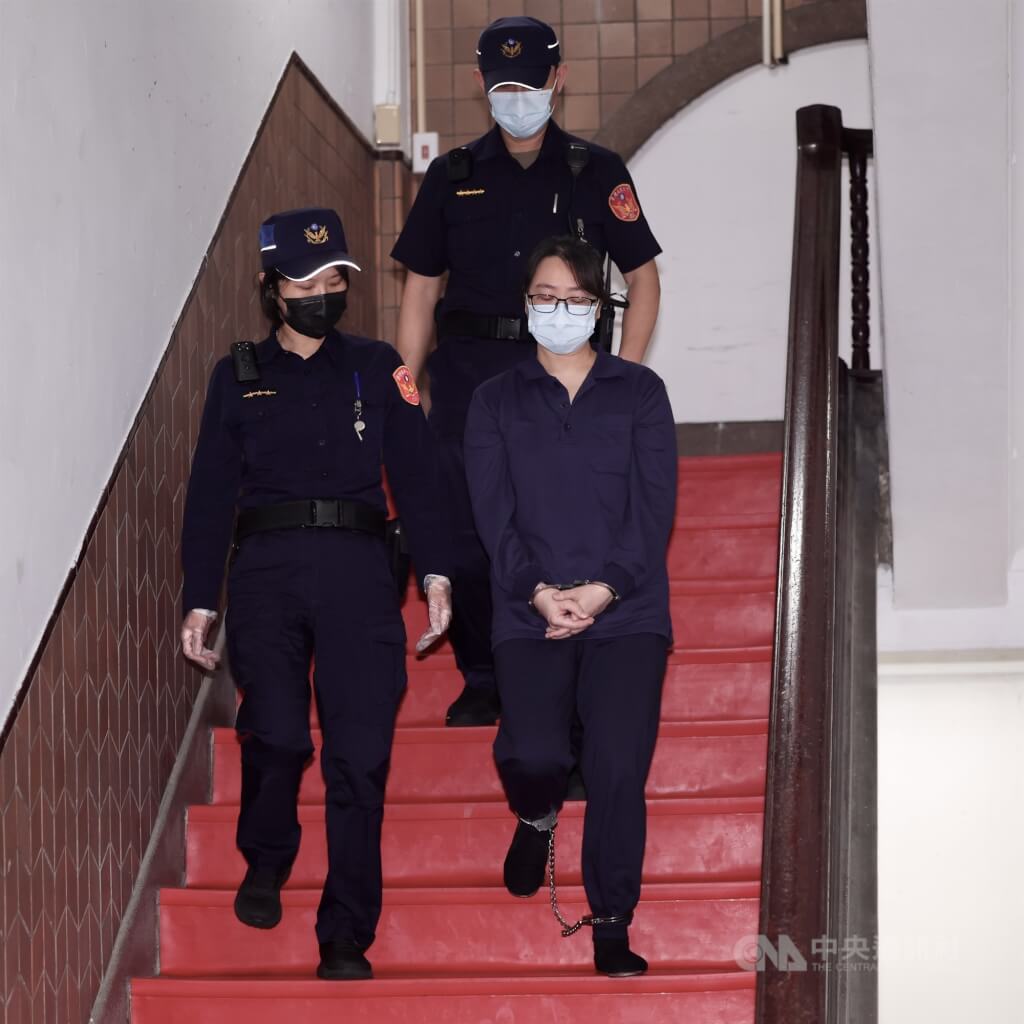
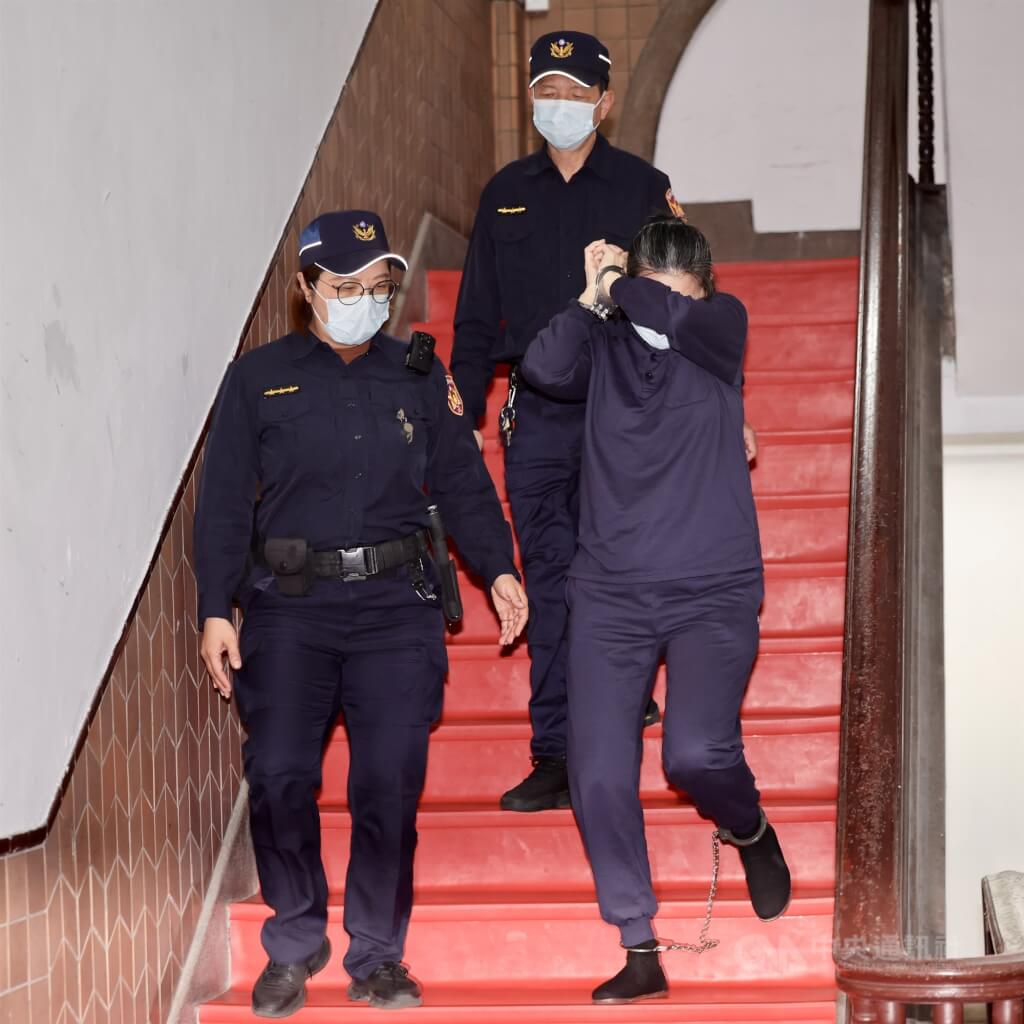
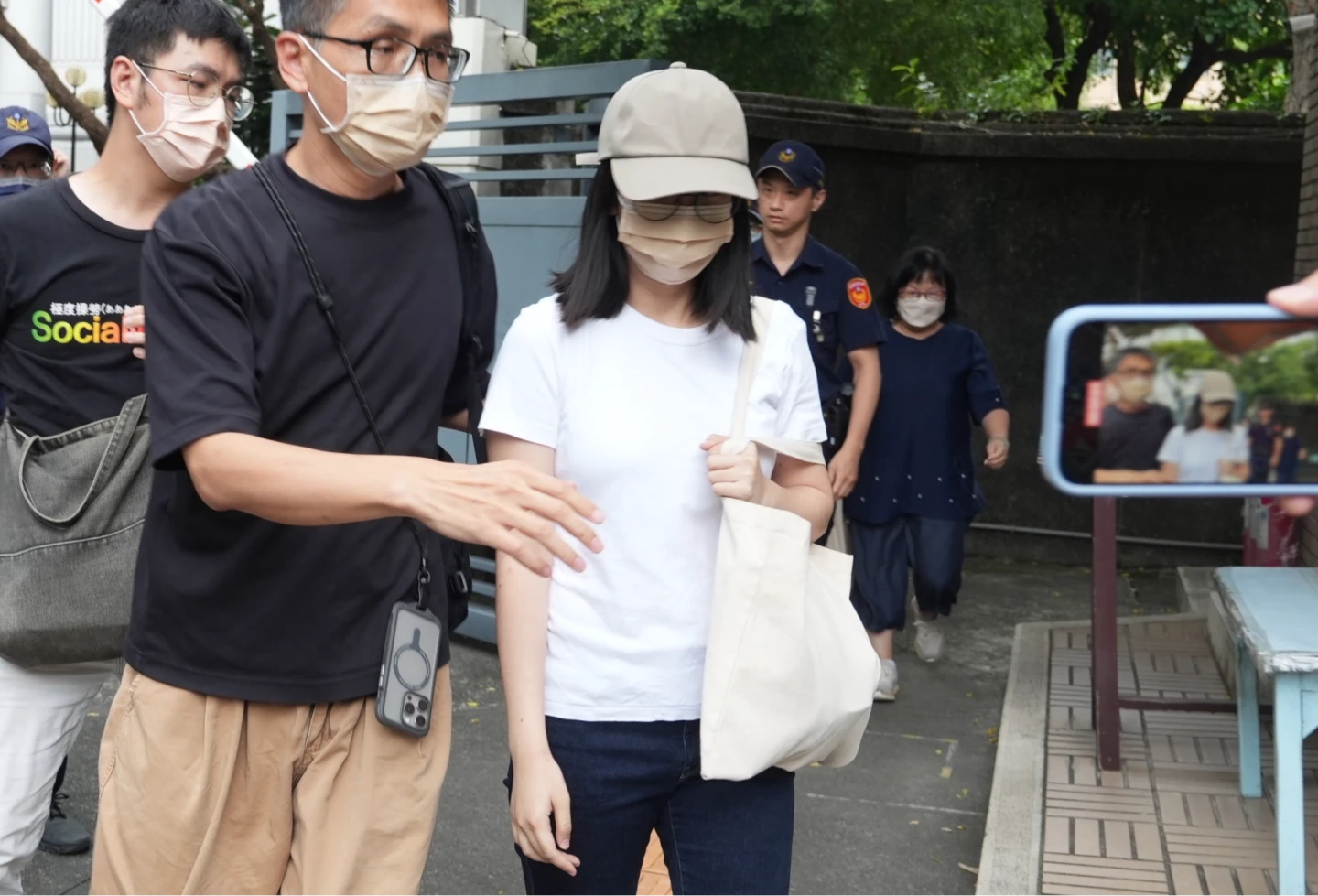
Kaikai was a boy a little over one year old. In 2023, while awaiting adoption, he was placed in Liu Cai-xuan’s full-time home-based care through the Child Welfare League Foundation. The court found that from September 1 to December 23, 2023, he endured prolonged, repeated mistreatment and abuse. He died after being taken to hospital on December 24. This page treats the principal abuse case and the social worker’s separate case separately, without conflating different legal responsibilities under one label.Photo: CNA file photograph | Source
Primary caregiver | Principal abuse case
Liu Cai-xuan
Life imprisonment; lifelong deprivation of civil rights | Final
The court found that she subjected Kaikai to prolonged, repeated and intensive inhumane abuse, treating a defenseless toddler as a means of venting emotion and deriving enjoyment from abuse.
First instance | 2025.05.13Supreme Court | Final on 2026.07.23
The court found that she carried out, watched over or supervised the relevant acts within the shared living and care environment. She was not unaware of the treatment shown in photographs and messages, yet participated in the joint offense.
First instance | 2025.05.13Supreme Court | Final on 2026.07.23
CWLF adoption social worker | Defendant in a separate case
Chen Shang-jie
First instance: 2 years for negligent homicide | Not final
At first instance, Taipei District Court found that she held information on Kaikai’s development, changes of care and visits, and could enter the care setting to investigate. Faced with multiple serious anomalies, she failed to investigate further, increase visits or report as required by law. She was acquitted of document forgery at first instance.
Role | CWLF adoption social workerTaipei District Court, 114年度訴字第51號
Procedural note: The principal case against Liu Cai-xuan and Liu Ruo-lin is final. The Chen Shang-jie section presents the Taipei District Court’s first-instance findings, which are not final; subsequent appeal proceedings and the presumption of innocence must be respected.
Duty Chain
THE BROKEN SAFETY NET
Who saw Kaikai?
Three agencies’ responsibilities and cross-system information tree
It is not that “no one was responsible for Kaikai.” Rather, different systems encountered this child at different stages, but each held only its own part of the information.A systemic review must therefore ask not only what one person did, but whether information was actually connected when services changed.
New Taipei Shuying Social Welfare→Child Welfare League Foundation→Taipei Wenshan Home-Based Childcare
All three encountered the same child, but held different perspectives: the family, adoption and childcare oversight.
Branch 1 | Birth family / Vulnerable family
New Taipei Shuying Social Welfare Center
Family circumstances and early risks
Provides services to vulnerable families, encounters the birth family’s care circumstances, and tracks the child’s subsequent placement and service referrals.
Shi Ying-ru Shuying Social Welfare Center social worker
Branch 2 | Adoption services
Child Welfare League Foundation
Adoption and childcare placement
Provides adoption services, arranges interim childcare and enters into a three-party family childcare contractual relationship with the maternal grandmother and childcare provider.
Chen Shang-jie CWLF adoption social worker
Branch 3 | Home-based childcare oversight
Taipei Wenshan Home-Based Childcare Center
Childminder registration, visits and oversight
Manages home-based childcare and conducts visits; identifies risks in the care setting and intensifies follow-up or initiates reporting when necessary.
Lin Xin-ci Wenshan Home-Based Childcare Center visitor
Kai
The root and shared center of the relationship tree
Kaikai
Information should not stop in separate records. Before danger arises, it should come together into a complete picture of risk that enables action.
The real systemic question is not “who once had responsibility,” but: Was the information connected?
01 | HandoverWhere did the child go?
Was the risk background handed over in full when services changed?
02 | Joint assessmentHow did warning signs accumulate?
Were anomalies at different times assessed together?
03 | ActionWho initiated protection?
Were checks, medical care, increased visits and reporting timely?
Original relationship diagram and visual design: Child Protection Action Alliance · Reconstructed from public judgments, court press releases and competent authorities’ investigation materials